Sesimbra
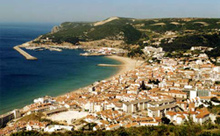
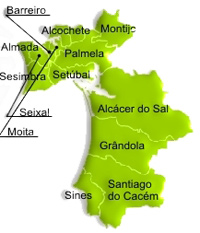
The municiplity of Sesimbra, located close to the mouth of the Sado River, has been a fishing settlement since its Celtic origins, and during the Age of Discoveries it acted as an important seaport. Visiting Sesimbra nowadays can lead to all sorts of experiences, as there are attractions such as beaches, traditional restaurants and the Arrabida National Park on the one hand, while on the other there is a Moorish castle nearby and the church Nossa Senhora do Castelo, both of which are very old buildings.
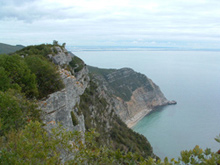
The town is situated at the foot of the Arrabida hills and has access to a wonderfully clear bay. This geographical sweet spot allows for the town to be protected from colder northerly winds while also offering it access to the plentiful resources of the ocean.
Just in case those aren't enough to attract you the town also features a restored medieval caste initially built in the 13th century, as well as a pair of churches, one built in the 15th century and the other in the 17th.
|