Óbidos
Óbidos can be considered a medieval town that was somehow spared the changes of the Industrial Revolution. It is a place that somehow managed to keep all of its medieval structures and streets intact.
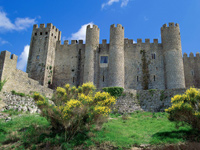
The name of the place stems from the Latin word for citadel, and this is due to the fact the entire town is surrounded by walls which served to protect it in older times. Of course those walls go together with a castle, Óbidos Castle now being used to house guests in its luxurious rooms.
You can thoroughly enjoy an Óbidos tour pretty much any time of the year, as the town is not going anywhere, it hasn't been going anywhere for hundreds of years, and despite it being inland, nearby there is a wonderful lagoon where you can sunbathe, swim and do many other types of water activities.
However if you want the full medieval experience that Óbidos has to offer, you should consider visiting sometime in July, when for two weeks the entire town goes back to its medieval roots in a Medieval Market festival. Everything that one would associate with medieval Europe can be seen during these two weeks in Óbidos, wandering minstrels, jugglers, jesters and even jousting knights, not to mention all the taverns and stalls which offer medieval style cooked meats.
|